Optimal Timing for Plaster Wall Repairs
Timing plays a crucial role in achieving quality plaster wall repairs. The optimal periods are typically during dry and moderate weather conditions, which facilitate proper curing and adhesion of plaster materials. Avoiding extreme temperatures and high humidity ensures the repair process progresses without issues.
These seasons offer mild temperatures and low humidity, ideal for plaster repairs. Consistent weather conditions help in effective drying and curing.
Cold winter months can hinder proper curing, while high summer temperatures may cause rapid drying, leading to cracks or surface defects.
Regions with high humidity or frequent rain should schedule repairs during drier months to prevent moisture-related issues.
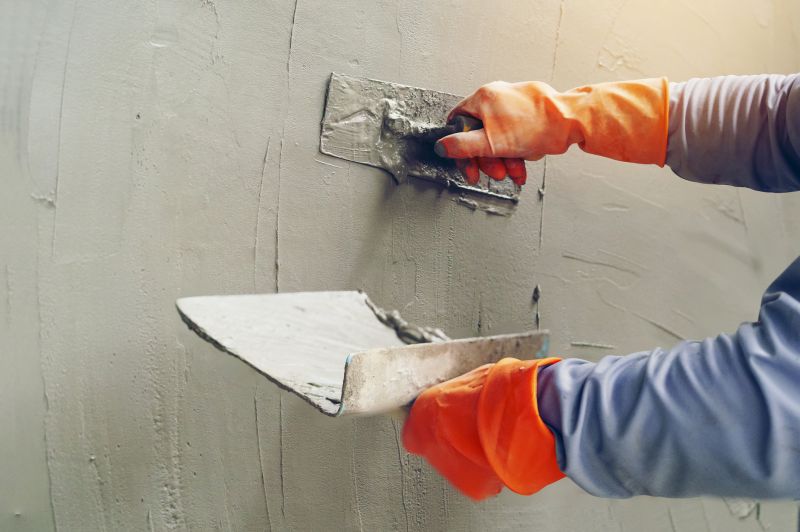
Dry, mild weather supports optimal plaster curing.
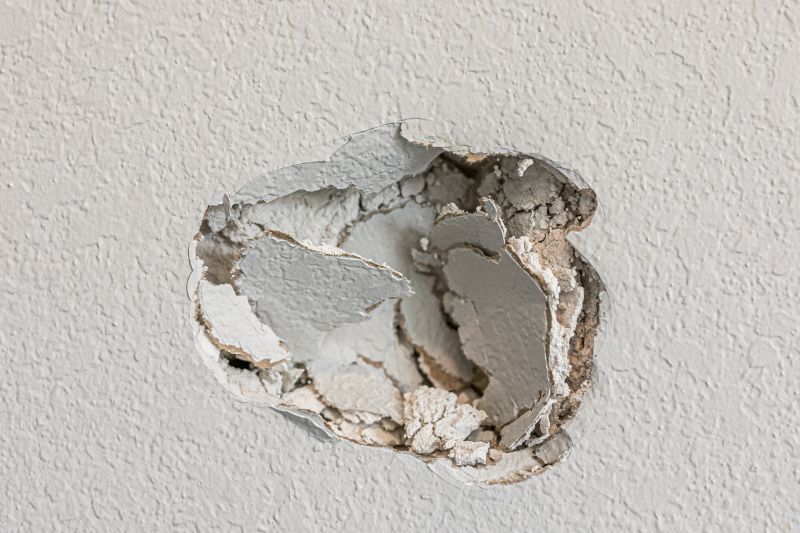
High temperatures can cause rapid drying and cracking.
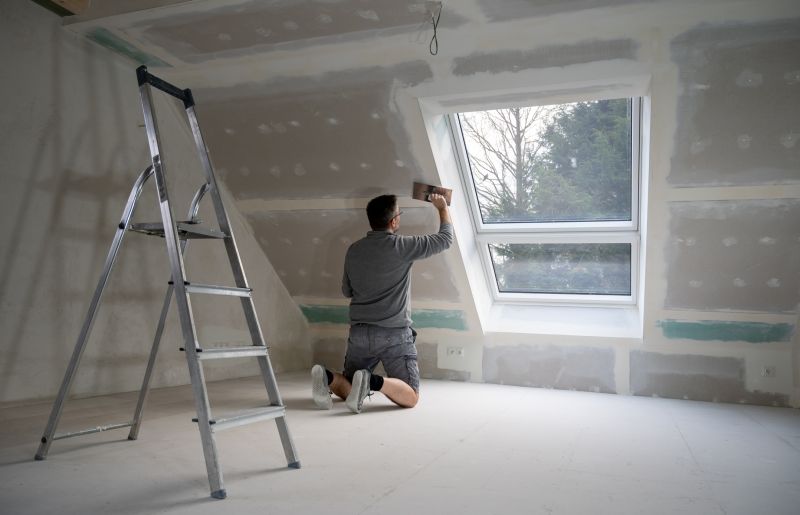
Moderate temperatures and lower humidity are favorable.
| Season | Ideal Conditions |
|---|---|
| Spring | Mild temperatures, low humidity, dry weather |
| Summer | High temperatures, risk of rapid drying |
| Autumn | Moderate temperatures, low humidity |
| Winter | Cold temperatures, high moisture risk |
Plaster wall repairs are essential for maintaining the integrity and appearance of interior and exterior surfaces. Proper timing ensures that repairs are durable and visually seamless. Advances in plaster formulations and techniques have increased the longevity of repairs, with success rates improving significantly when work is scheduled during suitable weather conditions.
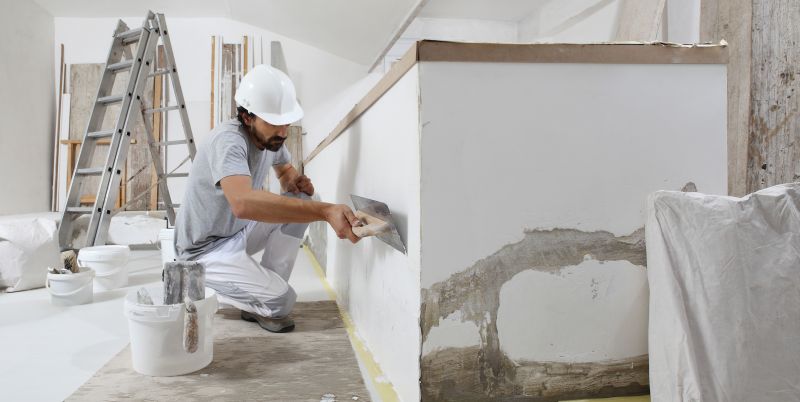
Proper weather conditions ensure optimal curing.
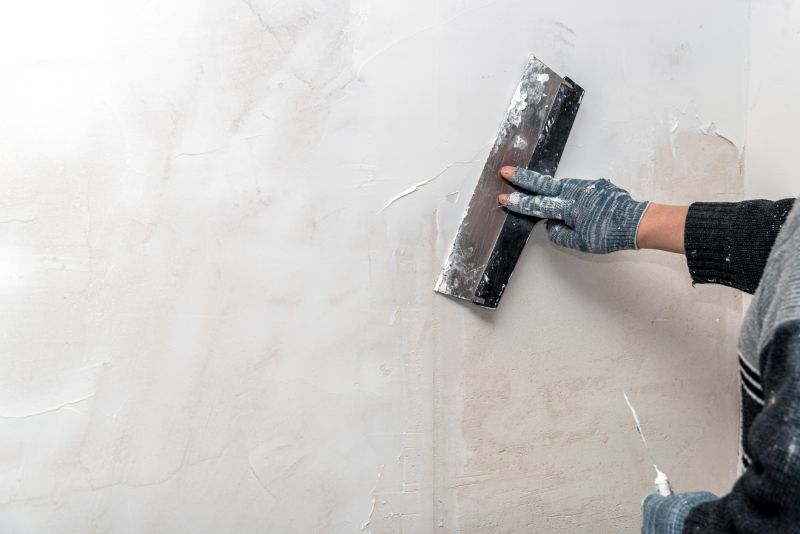
Seamless finish achieved with correct timing.
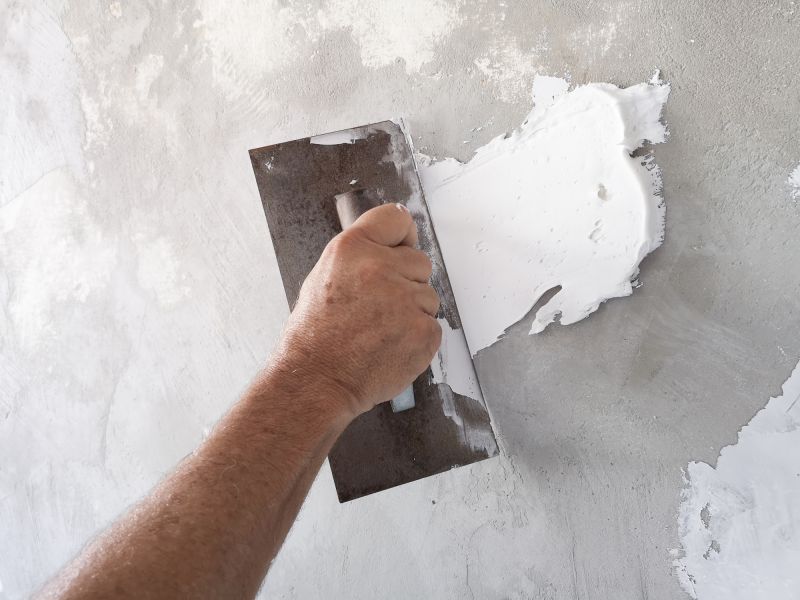
Proper equipment enhances repair quality.
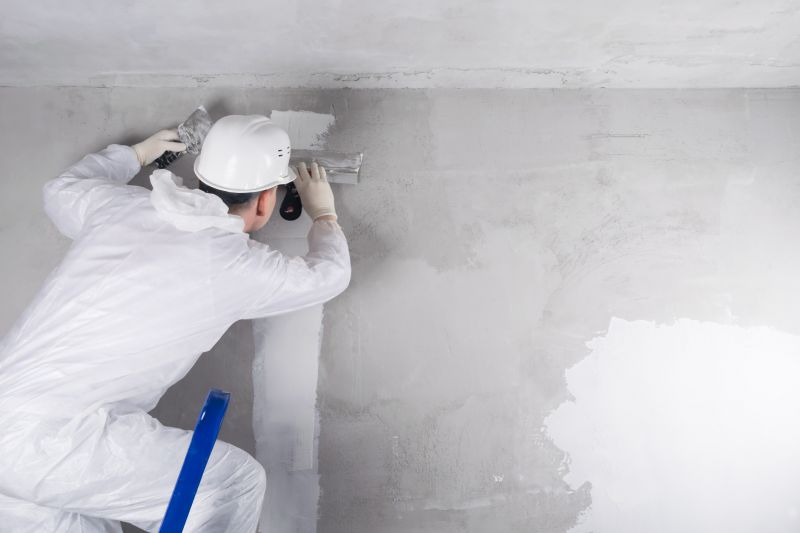
Timing helps prevent future cracking.
Interested in scheduling plaster wall repairs? Filling out the contact form can facilitate planning repairs during the most suitable periods, ensuring durable and high-quality results.